BEYOND THE
BLUEPRINT
Index

Chapter 4, Epilogue and Dialogue56/F

Level 56

The Architect’s Home

What we see in the world often leads us back to ourselves. Away from the demands of practice, the architect enters a more intimate space of making, guided not by briefs or function, but by instinct, memory and belief. Here, creation becomes a way of looking inward, where personal aesthetics and values find their most unguarded expression.

Inspired by Mr Guan’s living room, this chapter brings together works rarely seen in public. Paintings made in spare moments, remembered landscapes, ceramic sculptures, and objects shaped by hand sit alongside pieces from his private collection. Each carries a fragment of a life: a memory, a friendship, a fascination, a way of seeing.

Years of practice teach architects to observe, to question, and to shape ideas through discipline and repetition. Yet when there is no brief to fulfil, creation returns to its most instinctive form. At home, making is not about solving, but about feeling, exploring and expressing.

Christopher S Fischlein

London
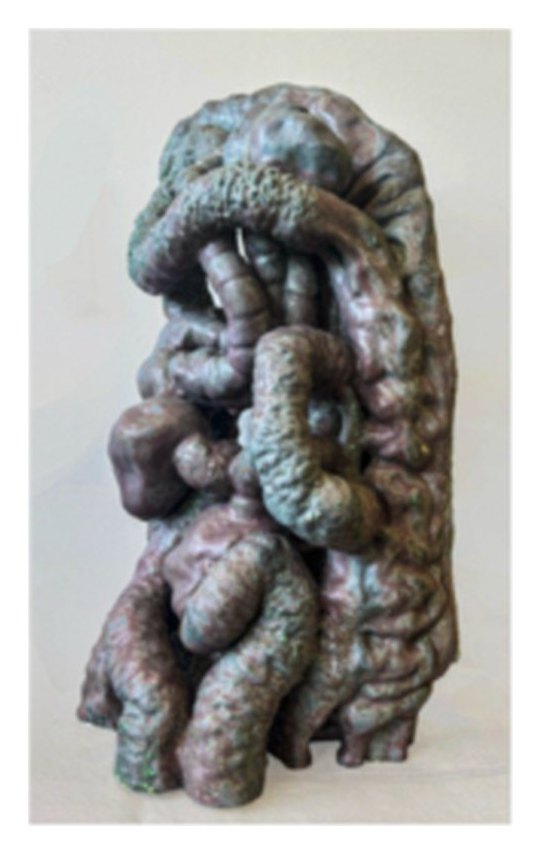
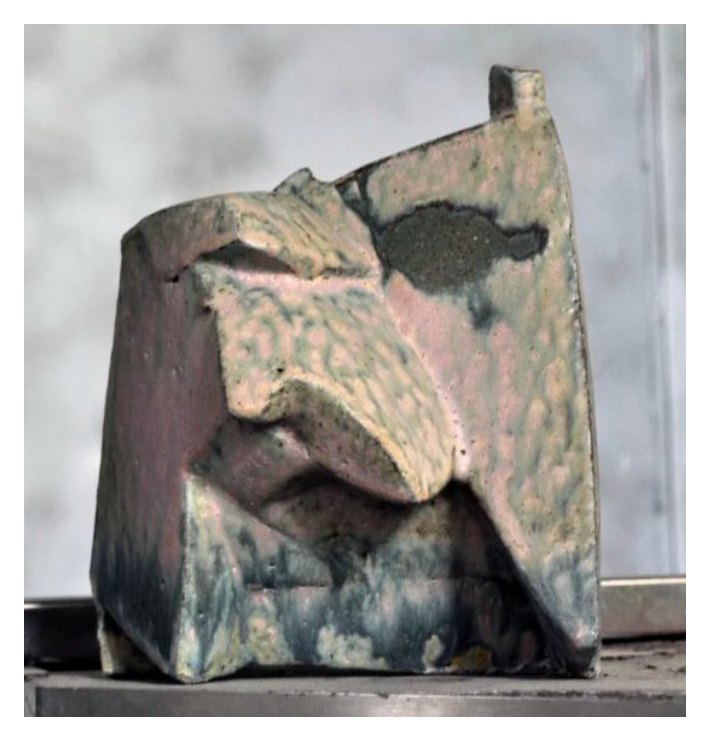
Toxophore, Christopher S Fischlein

Toxophore

2026
Stoneware, glaze and electroplated copper finish

Christopher Sejer Fischlein is a London-based artist, filmmaker and researcher who investigates how chemical, architectural and infrastructural systems shape bodily experience. This hand-built ceramic sculpture resembles an intertwined interior of the body, where intestinal forms, tubes and organs gather into an ambiguous material mass. Green and brown glazes meet an electroplated copper finish, bringing organic and synthetic processes into contact. The copper will continue to respond to its surroundings through oxidation and patination, allowing colour and texture to change with atmospheric exposure. As the surface evolves, the sculpture records the environmental conditions around it. The body it evokes is therefore inseparable from its setting: both remain porous, responsive and continually shaped by the materials and processes they encounter.
Torquil McIntosh

London

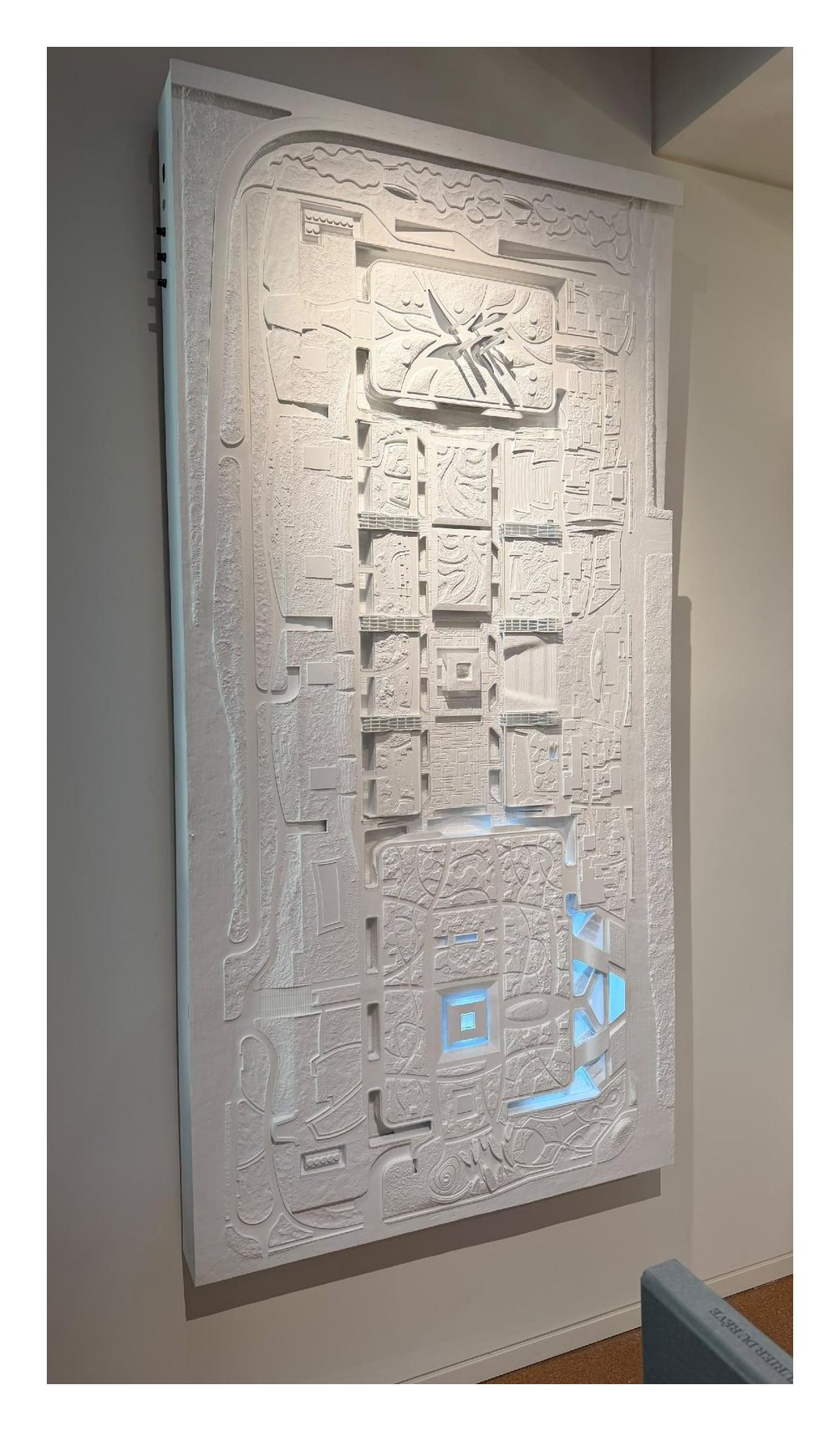
SKP Chengdu, China, Torquil McIntosh

SKP Chengdu, China

2018
Architectural model

SKP Chengdu places almost an entire mixed-use destination beneath the city. With 99 per cent of its built form underground, the project weaves luxury retail into transport, landscape and civic space while opening the ground above for public life. Torquil and Sybarite's team chose to represent this unusual organisation through an equally distinctive model. Inspired by the work of Bauhaus relief artist Rudolf Lutz, it combines bas-relief with high relief, using depth, shadow and layered geometry to reveal the spaces below ground. Architectural information becomes a sculptural composition, giving physical presence to a project designed around movement, connection and a new relationship between commerce and the city.

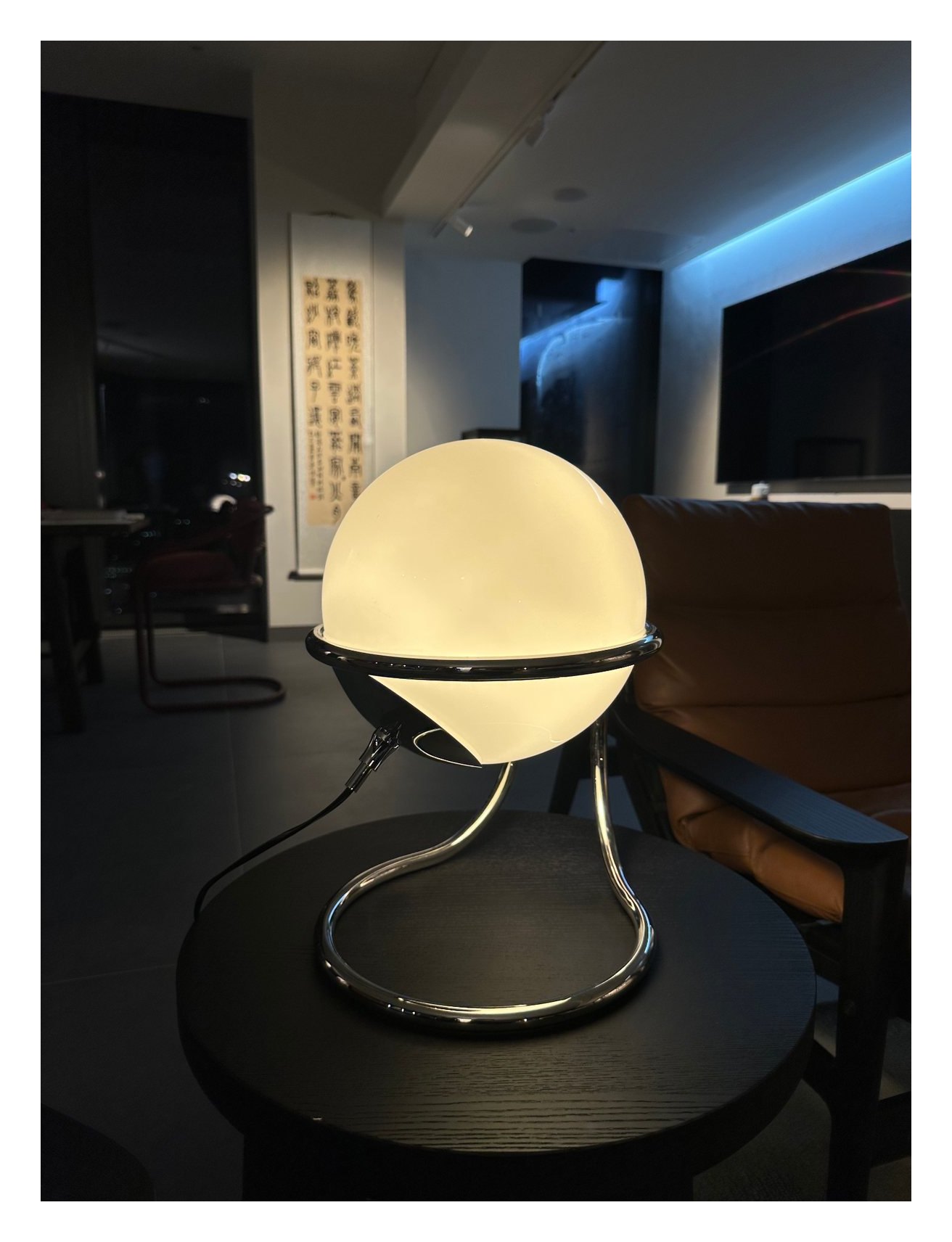
The Orb Lamp, Torquil McIntosh

The Orb Lamp

2005
Mirror-polished stainless steel and opal glass

This object from London architecture and design practice Sybarite is part of the Sybarite 100 Range. Inspired by the pure geometry of the circle, the Orb Lamp forms a seamless infinity loop that delicately cradles a floating sphere.

The Ear Stool, Torquil McIntosh

The Ear Stool

2004
Mirror-polished stainless steel

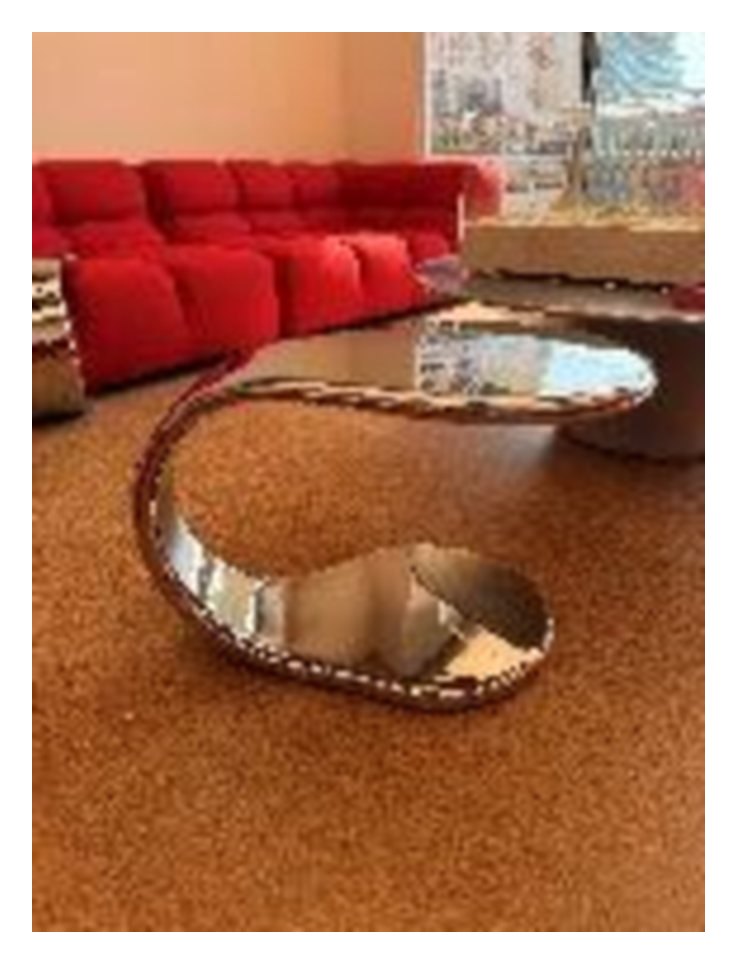
This stool was designed by London architecture and design practice Sybarite for the Marni stores.

This seemingly simple object is actually very difficult to manufacture, requiring splitting a tube and welding flat plates together to create the entire geometry, as well as polishing out all the welds to create a seamless sculptural form, with yet the function of a stool.

Rooted in sculptural curves, clean lines and a contemporary sensibility, the Marni retail concept established a recognisable architectural language while allowing each store to respond intuitively to its geographical and cultural context.

Ginny Liu

Guangzhou

Century Old Trees, Ginny Liu

Century Old Trees

2026
Chalk on paper

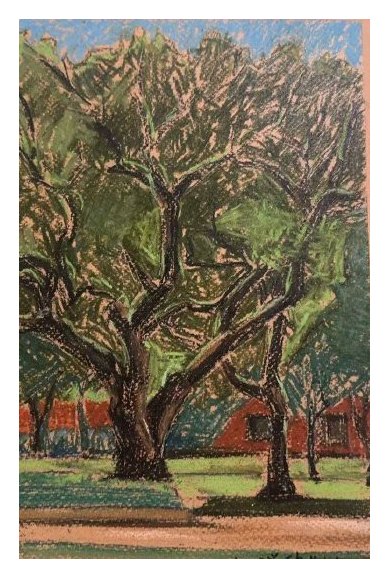
A century-old tree at Sun Yat-sen University has accompanied Ginny Liu since childhood. She approaches it as more than part of a landscape: the tree has remained present while generations, buildings and personal circumstances have changed around it. Drawing it becomes a way of returning to a familiar companion and preserving a connection between childhood memory, the passage of time and the place where she grew up.

Hu Man Ying

Guangzhou

Collection de la ville—Guangzhou: Qilou Lai See Envelopes, Hu Man Ying

Collection de la ville—Guangzhou: Qilou Lai See Envelopes

Paper

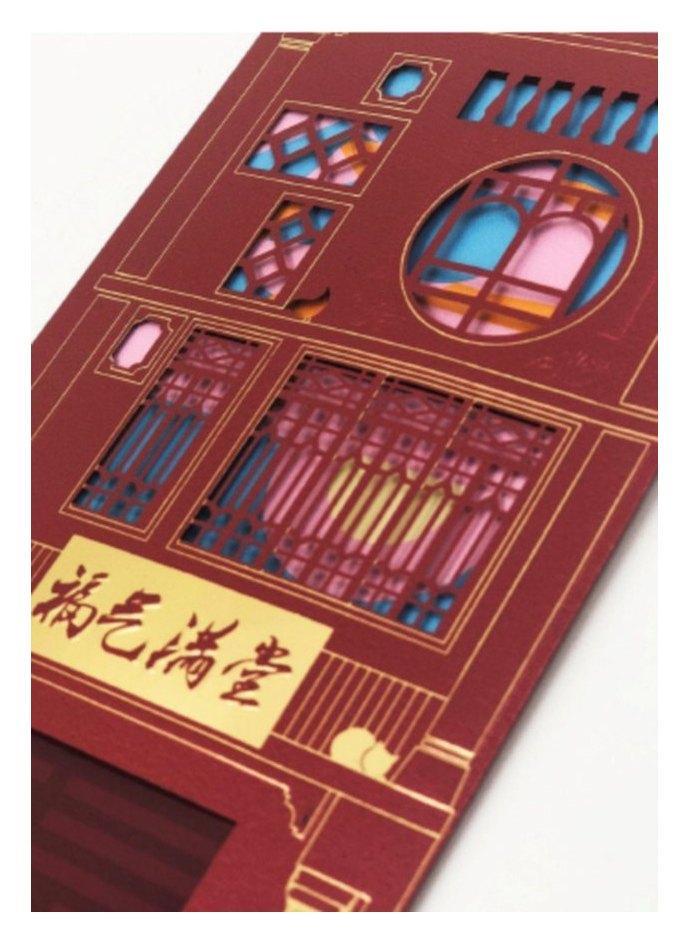
Lai see envelopes pass from hand to hand during festive occasions, carrying both money and good wishes. Manying Hu turns this familiar object into a small record of Guangzhou's architectural heritage. Her designs draw on the city's qilou—arcaded buildings whose covered walkways once shaped everyday life along its historic commercial streets—and the Bahe Guild Hall, a centre of Cantonese opera culture on Enning Road. Stained-glass windows and recessed balconies become characters signifying auspiciousness, blessing, joy and prosperity. Through paper-cutting, colour and collage, fragments of the city's architecture find new life within an intimate tradition of giving.

Jessie McIntosh

London

Walking Man and his shadow: Jessie after Craig Jefferson, Jessie McIntosh

Walking Man and his shadow: Jessie after Craig Jefferson

2025–2026
Oil and acrylic on paper and tape

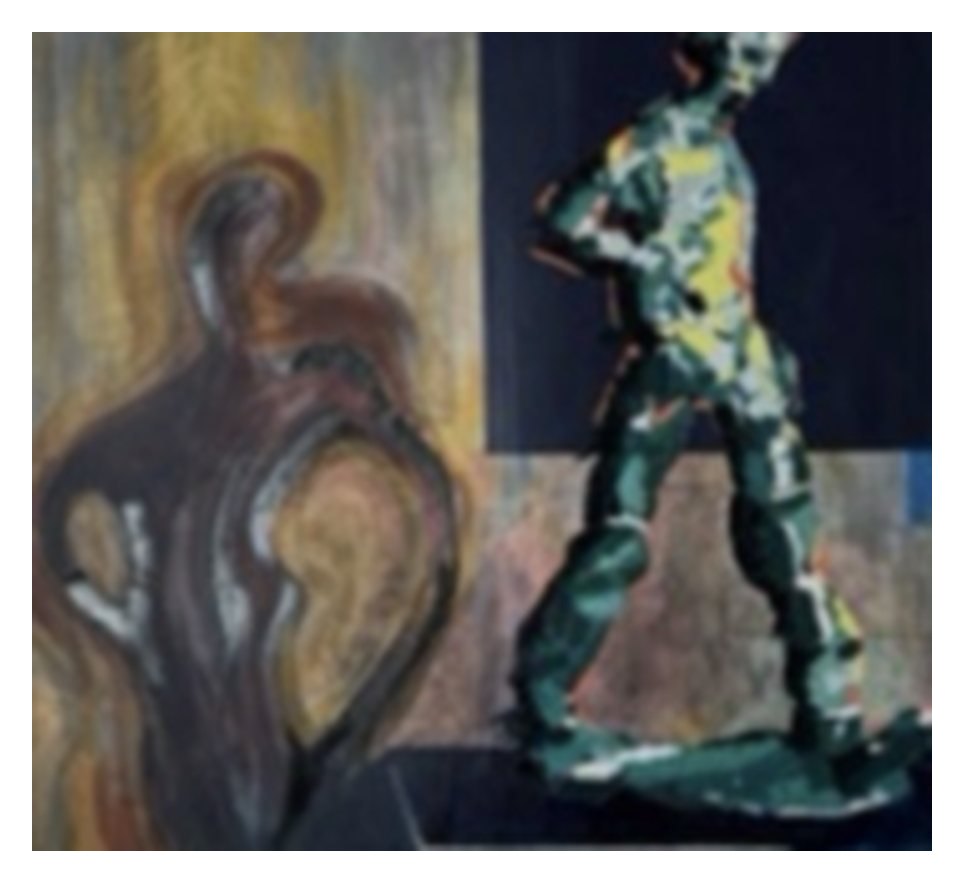
In this richly textured painting, Craig Jefferson's Walking Man stands on a shelf and casts an ominous shadow from which the figure appears to retreat. Jessie McIntosh worked from the original bronze, which measures only 24 centimetres high, enlarging its presence while preserving the sculpture's distinctive surface and dynamic stance. Texture, light and shadow heighten the sense of movement, allowing the small figure to become striking and animated. Trained as an architect before turning to painting, McIntosh remains interested in the processes through which objects are conceived, developed and brought into being. Her recent work takes sculptures by other artists as a starting point, considering the people, ideas and circumstances behind them as well as their finished forms. Walking Man and his shadow becomes both a careful encounter with Jefferson's sculpture and an imaginative response shaped by McIntosh's own way of seeing.

Multiples #02: La Femme aux Grandes Oreilles: Jessie after Anton Prinner, Jessie McIntosh

Multiples #02: La Femme aux Grandes Oreilles: Jessie after Anton Prinner

2026
Oil and acrylic on paper and tape

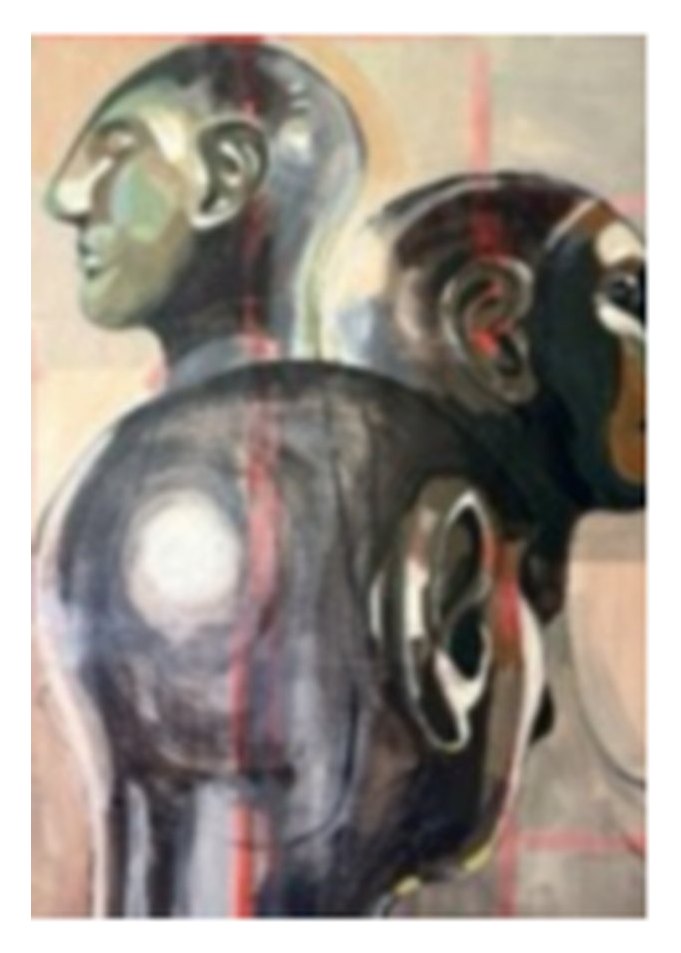
Trained as an architect, Jessie McIntosh worked in architecture for several years before turning to painting. Her architectural background continues to shape a process-led practice concerned with how objects are conceived, developed and brought into being. Recent paintings take sculptures by other artists as their starting point, looking beyond the finished work to the ideas, experiences and circumstances behind its creation. In Multiples #02, three overlapping views of Anton Prinner's La Femme aux Grandes Oreilles occupy the same painted space. Careful attention to the light moving across the striking bronze reveals changes in its form, surface and presence. Through this repetition, McIntosh explores the tension between the animated and the inanimate, allowing the sculpture to appear active and alive. Painting becomes a way of looking again, interpreting Prinner's work while bringing her own perspective into the encounter.
Sun on Femme Allongée: Jessie after Anton Prinner, Jessie McIntosh

Sun on Femme Allongée: Jessie after Anton Prinner

2026
Oil and acrylic on paper and tape

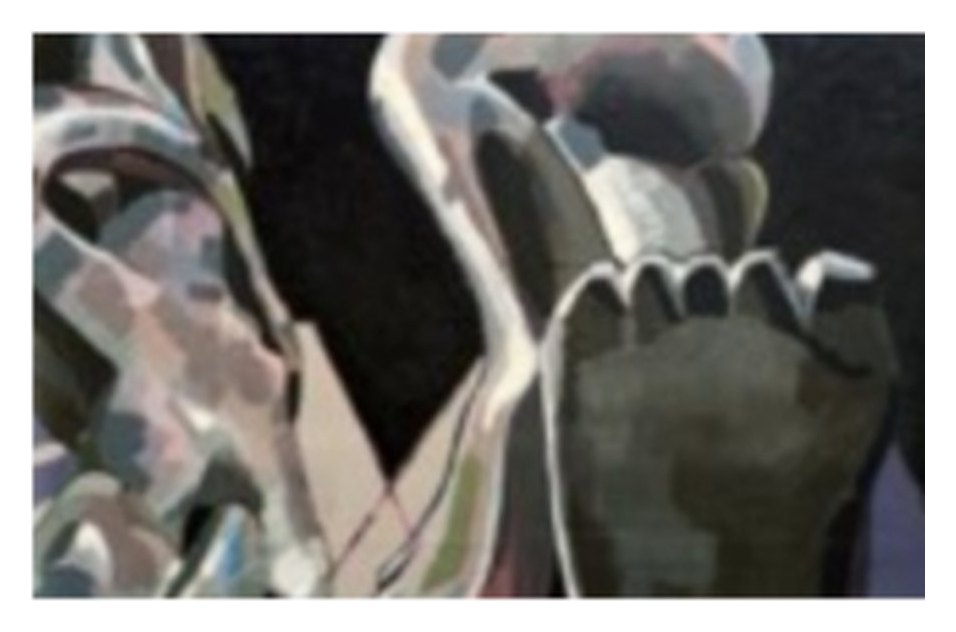
Jessie McIntosh's paintings begin with close observation of sculptures by other artists. For Sun on Femme Allongée, she made studies beside Anton Prinner's sculpture in the private Somerset garden where it stands. The work captures the reclining figure bathed in stark midsummer sunlight, which sharpens its sinuous, twisted pose and draws attention to the contrast between its smooth surface and weathered patina. As light travels across the bronze, the sculpture's curves become more pronounced and its still body appears to gather movement. McIntosh trained as an architect, and that background remains present in the care with which she studies form, material and the conditions surrounding an object. By translating Prinner's sculpture into paint, she does not simply reproduce it. She looks again, responds to its physical presence and gives the figure another life through her own experience and imagination.

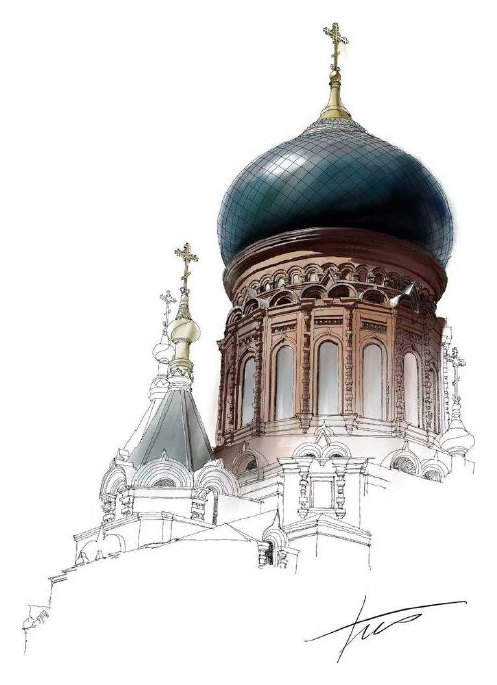
Jing Bing

Shenzhen

Saint Sophia Cathedral, Jing Bing

Saint Sophia Cathedral

2019
Digital drawing on paper

Rising above an unfinished field of lines, the dome of Saint Sophia Cathedral becomes the focus of this architectural study. Bing Jing combines precise drawing with areas of colour, drawing attention to the building's distinctive silhouette and ornamental detail. The looser lines below create a contrast between defined form and open space, recording the historic building while leaving part of the image in the process of becoming.

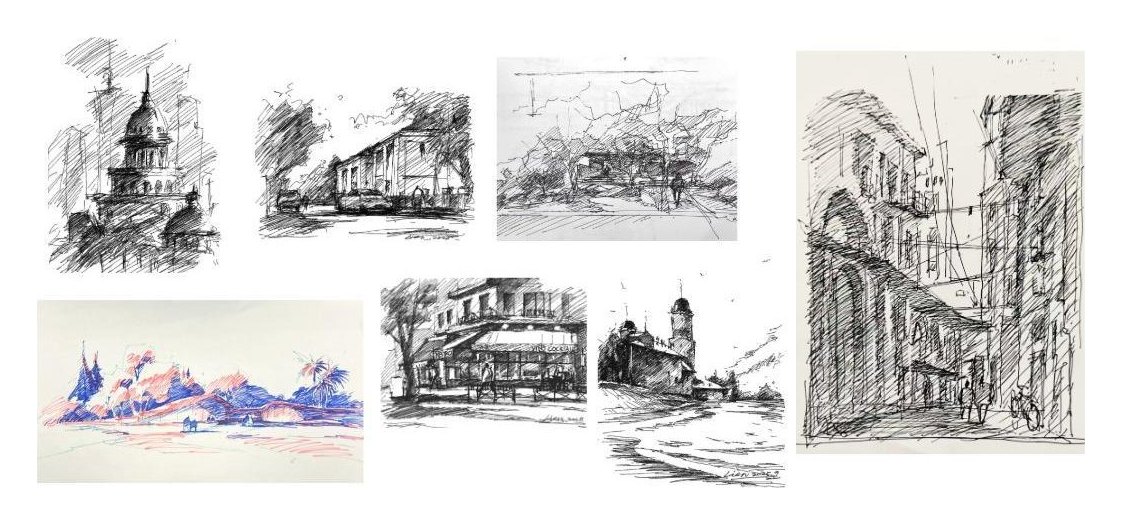
Li En

Guangzhou

Meeting Drawings, Li En

Meeting Drawings

2024–2026
Digital drawings on paper

Meetings are curious occasions. Sometimes they demand your full attention; at other times, there is absolutely nothing to do. When the latter happens, drawing something becomes the best option. These scattered images come from the meeting room, photographs Li liked and scenes Li simply imagined. They may not always be beautiful, but that is not really the point. What matters is keeping himself occupied and enjoying the simple pleasure of creating a drawing.

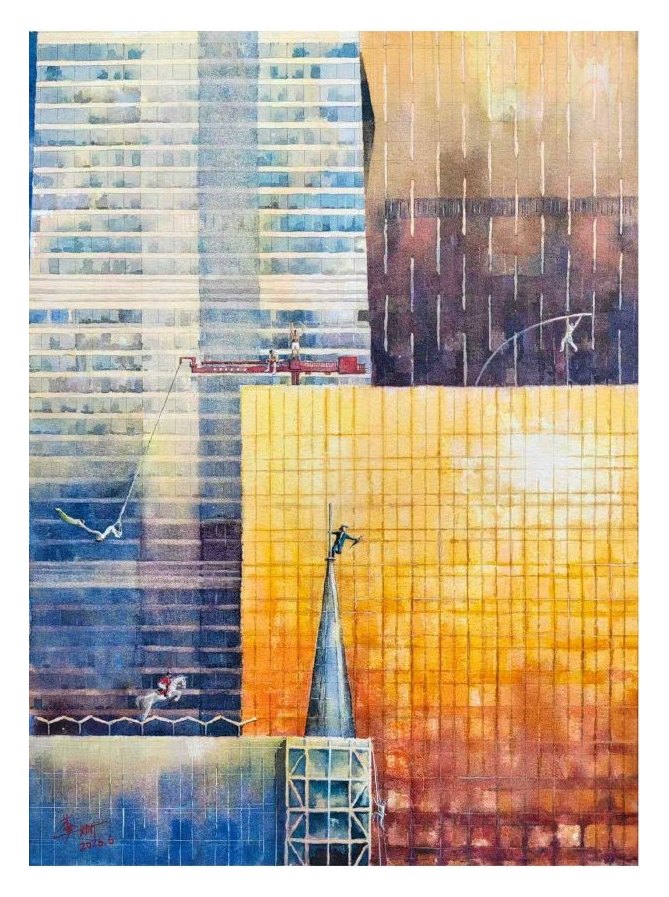
Shan Li

Guangzhou

Urban Arena 01, Shan Li

Urban Arena 01

2026
Watercolour

Architect and university lecturer Shan Li writes fiction, paints watercolours and tends plants alongside her professional practice. Her work often draws on the history, culture and everyday life of Guangzhou. In Urban Arena 01/02, the city becomes a vast stage of competition. People balance like tightrope walkers, rise and fall like swings, push themselves like pole vaulters and confront one another like boxers. Everyone looks upward, hoping to climb higher, while the effort behind that ascent often goes unseen. The crowd notices how high you fly; those who love you are the ones who ask whether you are tired.

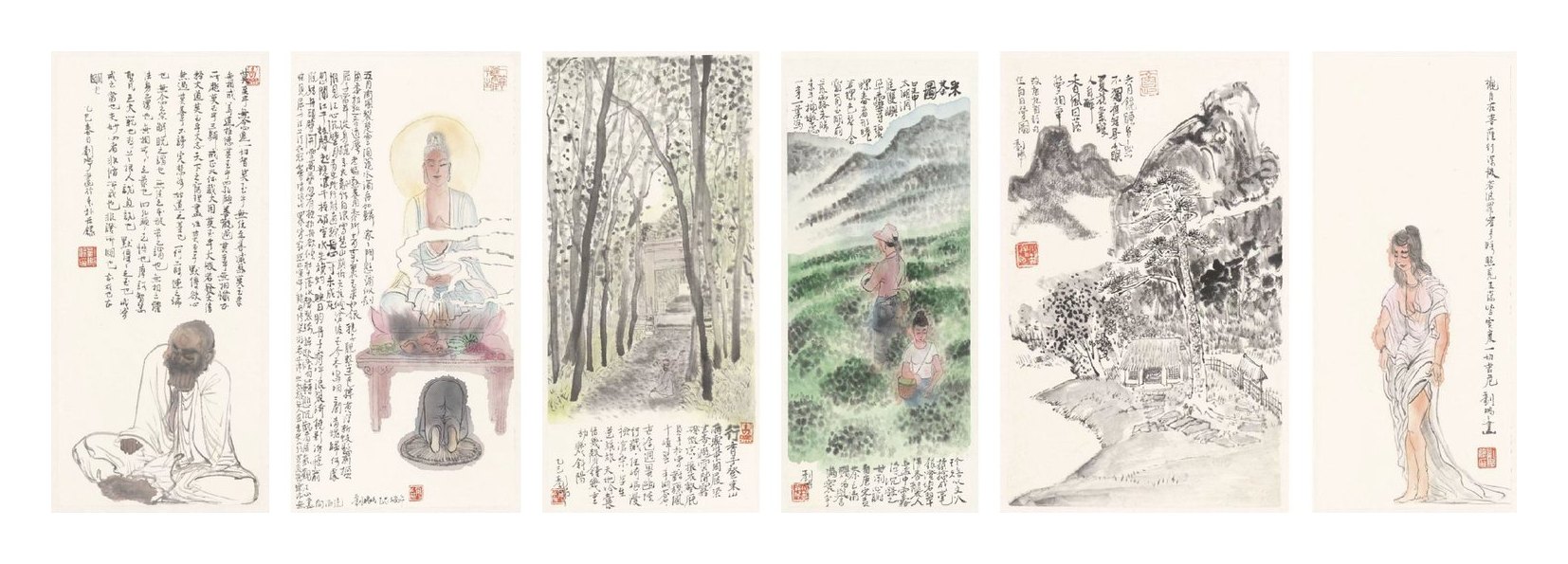
Liu Peng Peng

Shenzhen

Nothing Reaches Beyond No-Thought / South Wind in May / Tea Picking (two works) / Relax / June in the Mountains, Liu Peng Peng

Nothing Reaches Beyond No-Thought / South Wind in May / Tea Picking (two works) / Relax / June in the Mountains

Ink on xuan paper, series of six

The traditional Chinese calendar moves quietly through Pengpeng Liu's six ink paintings. Around Qingming, tea pickers gather the first spring leaves; on the fifth day of the fifth lunar month, the southern wind announces the Dragon Boat Festival and the arrival of summer. Elsewhere, solitary figures rest or meditate, recalling Buddhist ideas of "no-thought" and the longstanding ideal of retreating into the mountains. Painted on xuan paper, the works leave generous areas of open space around figures, trees and distant landscapes. Seasonal customs become personal moments of pause, linking everyday life with older traditions of contemplation and renewal.

Lu Shu Yang

Guangzhou

Watercolor on Paper Series, Lu Shu Yang

Watercolor on Paper Series

2026
Watercolor

The three works presented here are informal sketches. The artist:"For me, design is work, photography is exploration, and painting is rest. Together, the three form the way in which I feel most comfortable engaging with the world."

Luo Wei Guo

Guangzhou

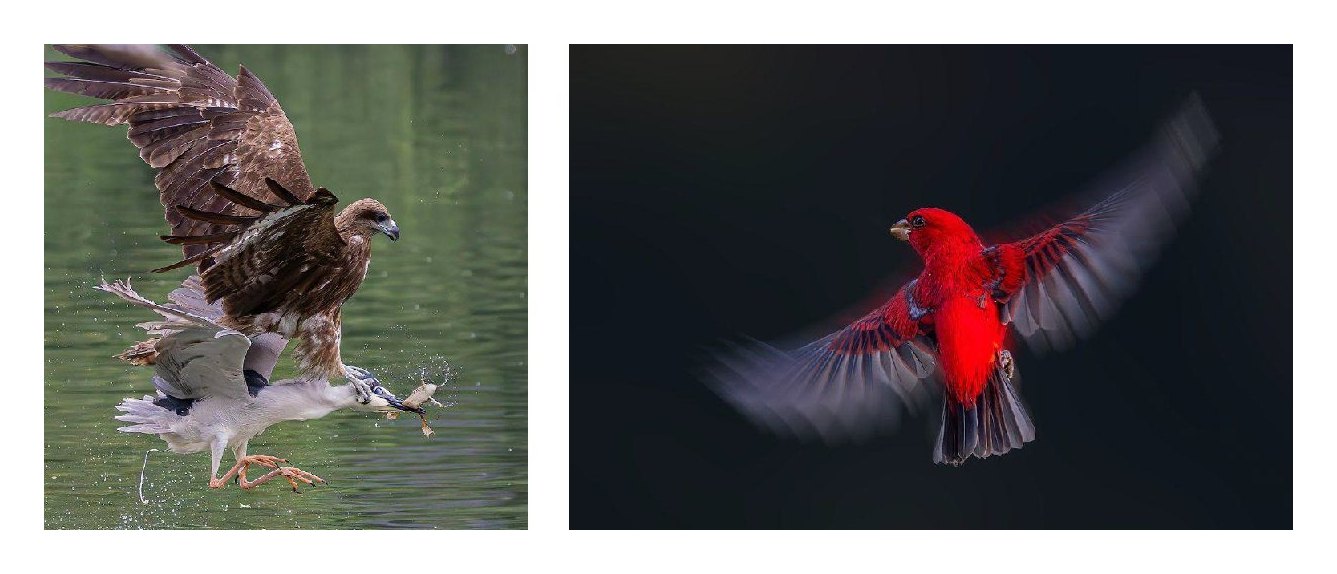
Snatched from the Heron's Beak, Luo Wei Guo

Snatched from the Heron's Beak

2024
Photography

A sudden struggle unfolds in mid-flight. A night heron has caught a frog, only for a black-eared kite to swoop down and seize it directly from the heron's beak. A nationally registered architect and urban planner, Weiguo Luo pursues wildlife photography in his own time. His photograph preserves an encounter that lasted only an instant, revealing the competition, speed and alertness that shape life in the natural world.

Mo Yi Jie

Shenzhen

Seeing the Many in the Minute, Mo Yi Jie

Seeing the Many in the Minute

2010–2020
Digital drawings, series of fifty

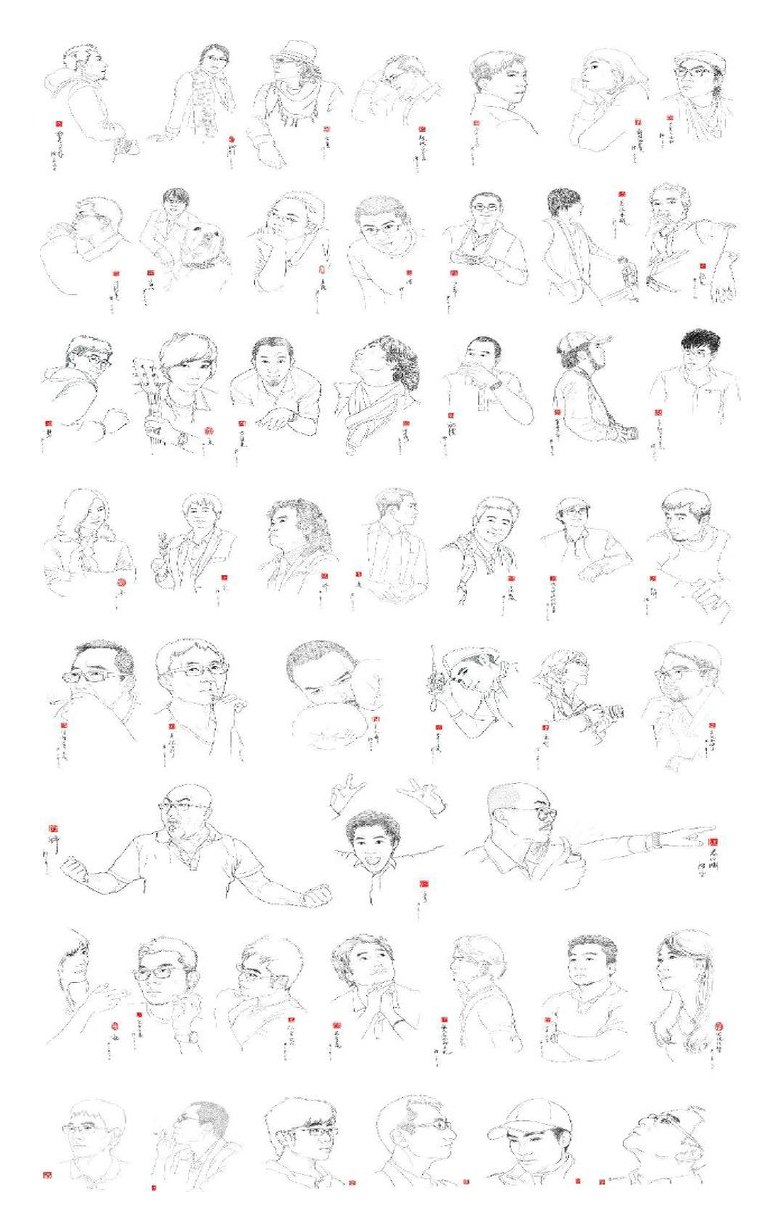
Across more than a decade, Yijie Mo recorded fifty designers from South China through their expressions and unguarded emotional moments. Drawn in a spare linear style, these portraits look beyond professional titles to the individuals behind them. Each face preserves a small encounter; together, they form a collective portrait of a design community shaped by shared work, friendship and experience.

Xu Cheng Han

Guangzhou

In Sync, Xu Cheng Han

In Sync

Acrylic

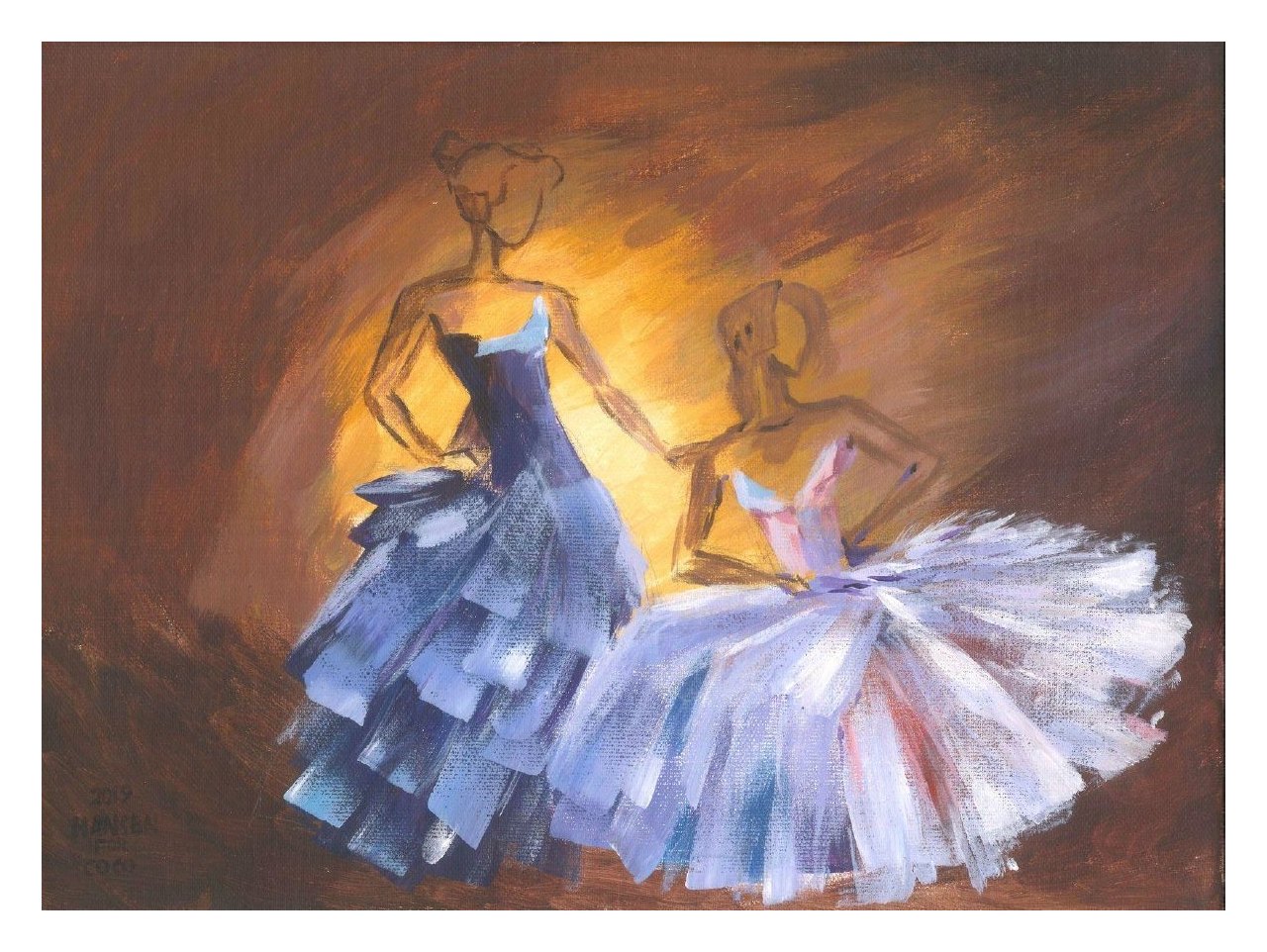
An architect's sense of structure holds a fleeting moment of movement. Two dancers—one still and the other turning—pull against and respond to one another as their skirts unfold around them. A warm brown-and-gold background creates a stage-like glow, while blue, violet and white move lightly across the surface. Broad, confident brushstrokes avoid excessive detail, allowing the dancers' poses to carry the painting's rhythm and energy.

Robert Gluckman

London

Out of Darkness, Robert Gluckman

Out of Darkness

2000
Collage on plywood; accompanying book in paper and cardboard

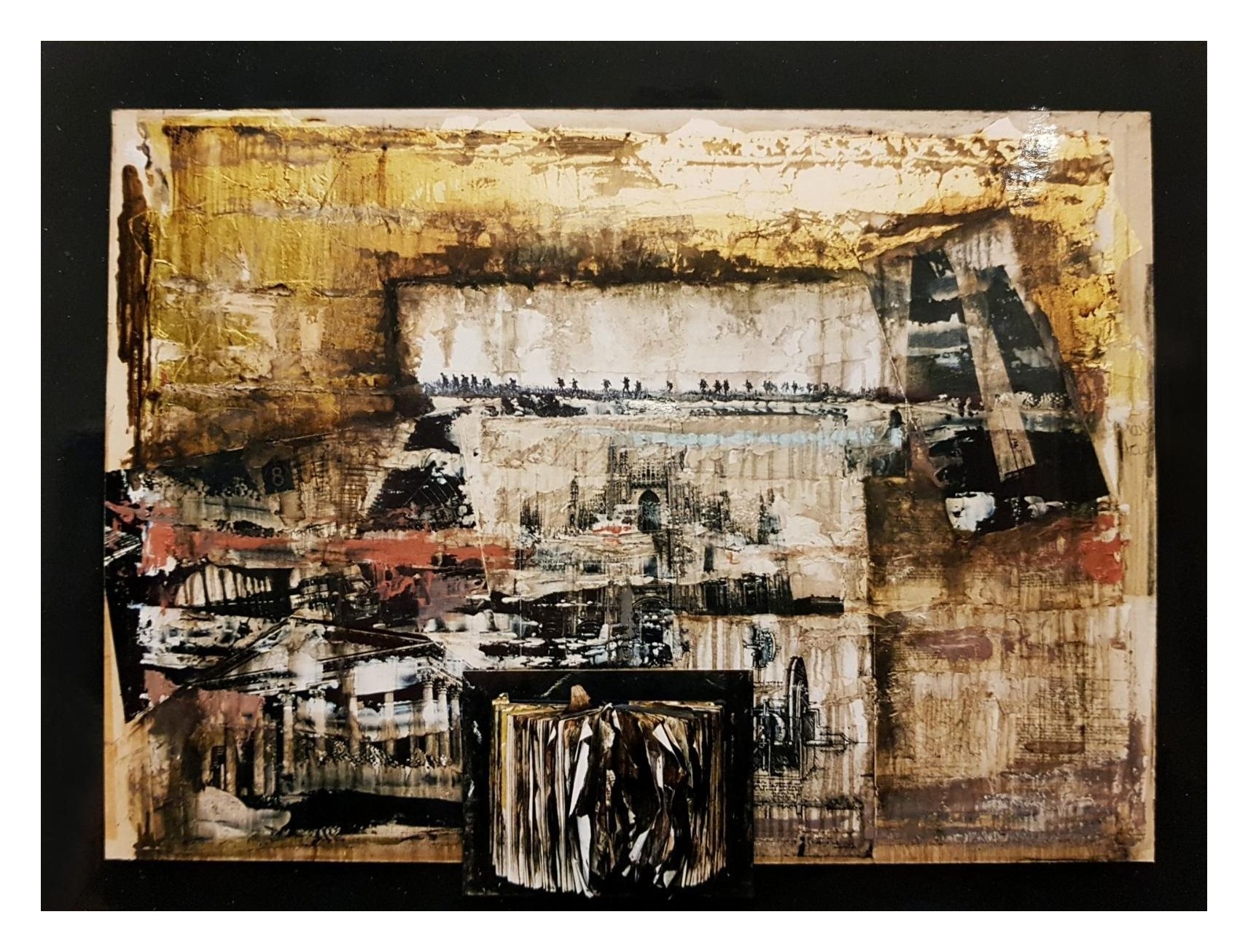
Created shortly before 9/11, Out of Darkness considers the tension between technological development and the belief that progress will always improve human life. Images of the World Trade Center appear as the towers once stood, placing the work within a world approaching an unknowable change. Above the shifting and unsettled imagery below, gold leaf introduces what Gluckman describes as a spiritual dimension: a steady source of brightness within uncertainty.

Stephen McGrath

London

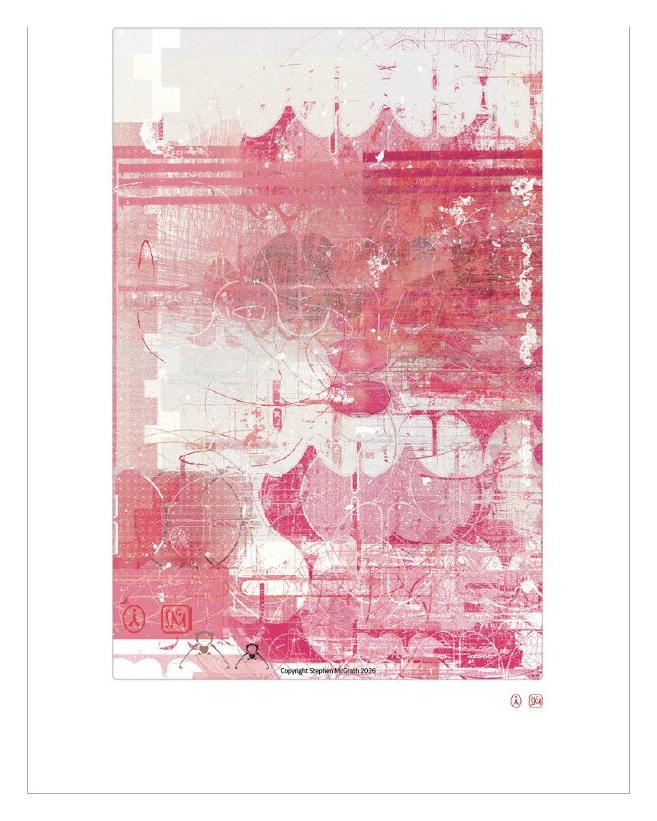
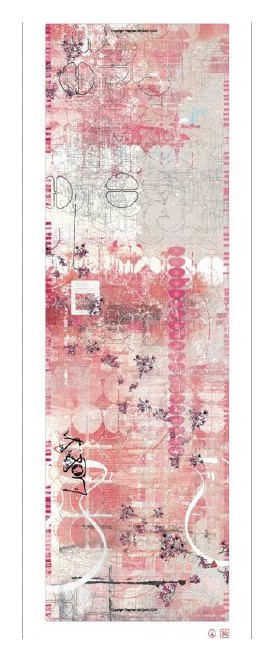
Cosmopolis Series, Stephen McGrath

Cosmopolis Series

2025–2026
Painting, photography, hand sketching, pen and precision drawing, combined as digital planographic works; archival pigment prints on Awagami Washi paper

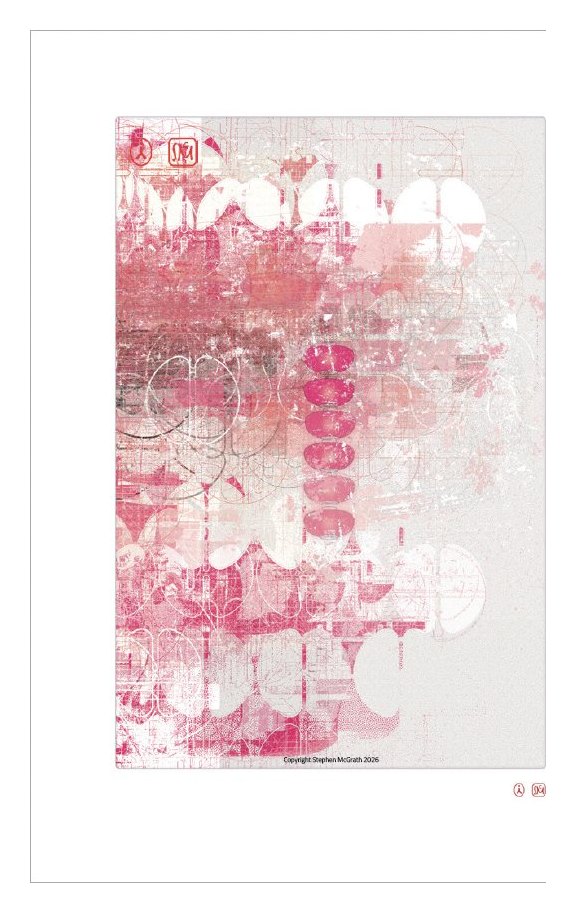
Stephen McGrath begins with the city as he experiences it. Tokyo at two in the morning: rain reflected across pavements and alleyways, intensified by red lights, flashing signs and passing characters. Soho at midnight: beer on carpets, sauce and smells, chewing gum underfoot, someone searching for a lost phone, and streets filled with shouting, music and dancing. Elsewhere, a person sleeps alone in a tiny Tokyo room while the city remains awake outside. For McGrath, architecture "supports, envelops, protects and nurtures." It stands between these private and public worlds—the "membrane between dreaming and dancing."

Yang Bo

London

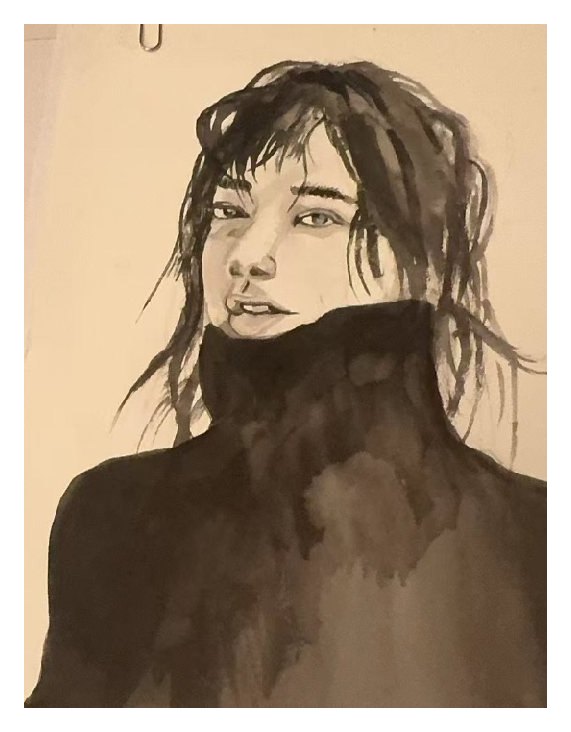
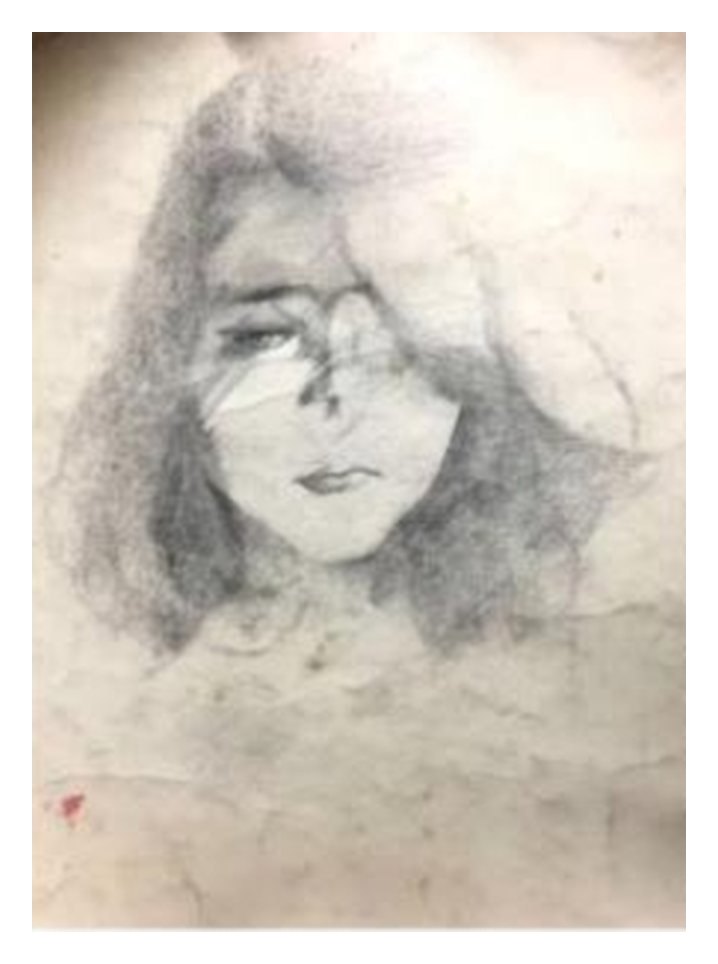
Portrait of a Woman, Yang Bo

Portrait of a Woman

Graphite on paper

Wang Qi

Guangzhou

Standing Series, Wang Qi

Standing Series

Ceramic and glaze

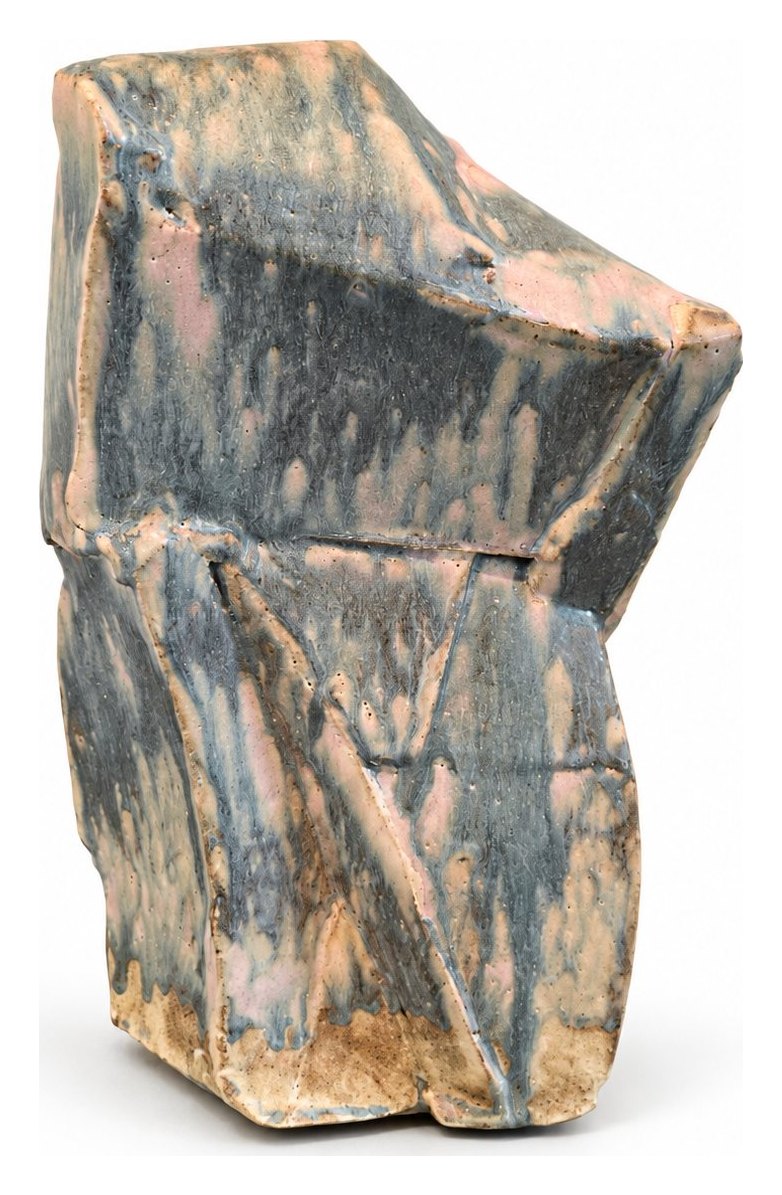
Planes, edges and lines determine the structure of this ceramic sculpture. Qi Wang constructs its form by joining slabs of clay before firing it at 1,240 degrees Celsius and returning it to the kiln for a second firing. Layers of glaze overlap and flow across the rigid surfaces, bringing careful construction and the unpredictability of heat into the same object.

Colin Xu

London

Portable Tea Set, Colin Xu

Portable Tea Set

2015
Handwoven bamboo and handmade ceramics

"An intimate tea ritual, wherever life takes you."

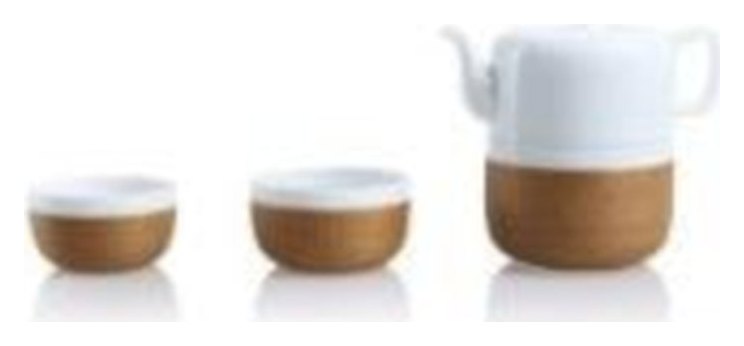
For Colin Xu, creativity continues beyond his professional work in interior design. His interest in furniture and homeware led him to create Portable Tea Set, bringing together Qingshen bamboo weaving and the delicate qingbai porcelain of Jingdezhen. Light enough to accompany a journey, the set carries these longstanding craft traditions into contemporary life. It transforms tea drinking into a personal ritual that can be enjoyed wherever one happens to be—a chance to pause, settle and make time for oneself while travelling.

Wu Hua Bo

Guangzhou

The Three Kingdom Series, Wu Hua Bo

The Three Kingdom Series

Print on paper

The architect's childhood memories first sparked a love of drawing, eventually leading them to a career in architecture. Now, picking up the brush once more, they revisit those early inspirations and reconnect with a passion that has never truly faded.

Wu Xin Fei

Dali

Rest, Wu Xin Fei

Rest

2019
Watercolour

Sink

2017
Watercolour

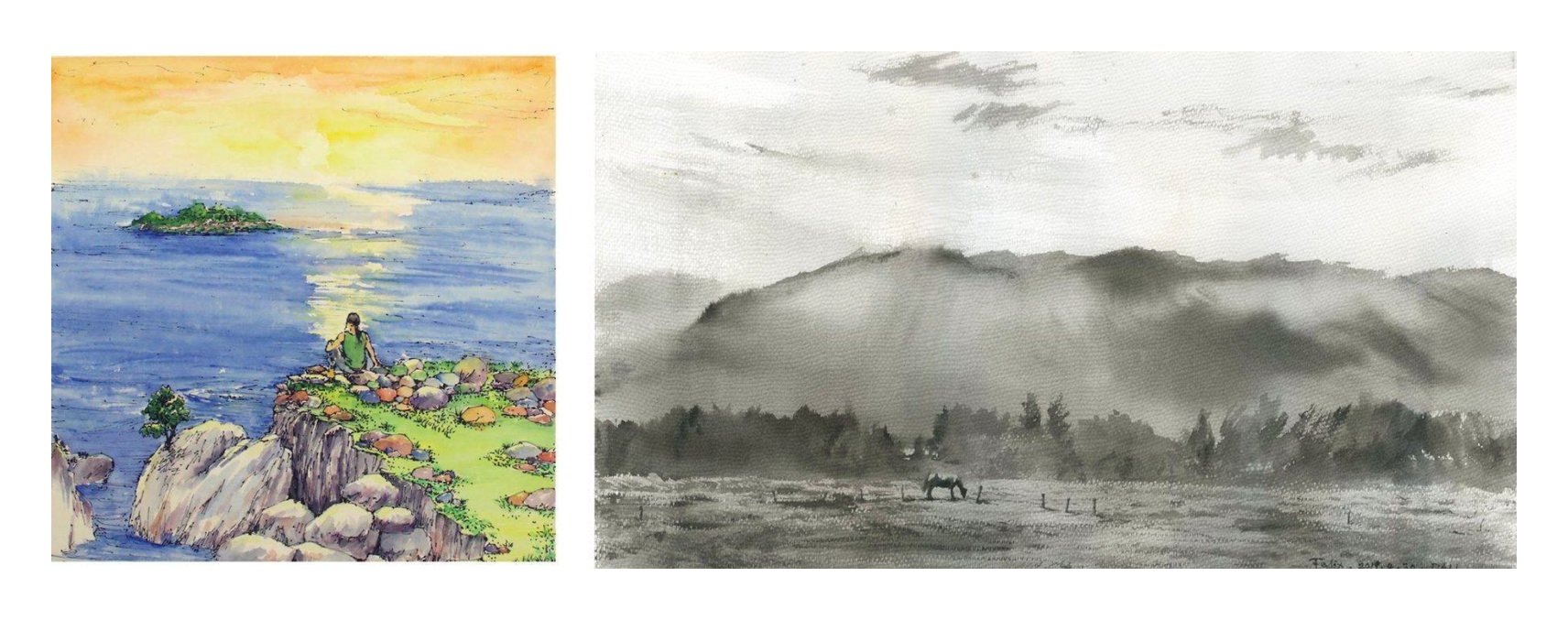
Painted in Dali, Yunnan, these watercolours imagine two very different relationships with time. In Rest, an unburdened horse grazes beneath distant mountains as light falls through the clouds. The scene presents rest as something every living being deserves. Sink follows a man stranded on an island, throwing stones into the sea in the hope of building a path towards another shore. His task appears impossible, yet each stone brings him slightly closer. One painting finds fulfilment in pausing; the other finds hope in continuing.

Continuation, Wu Xin Fei

Continuation

2025
Ceramic and mixed media

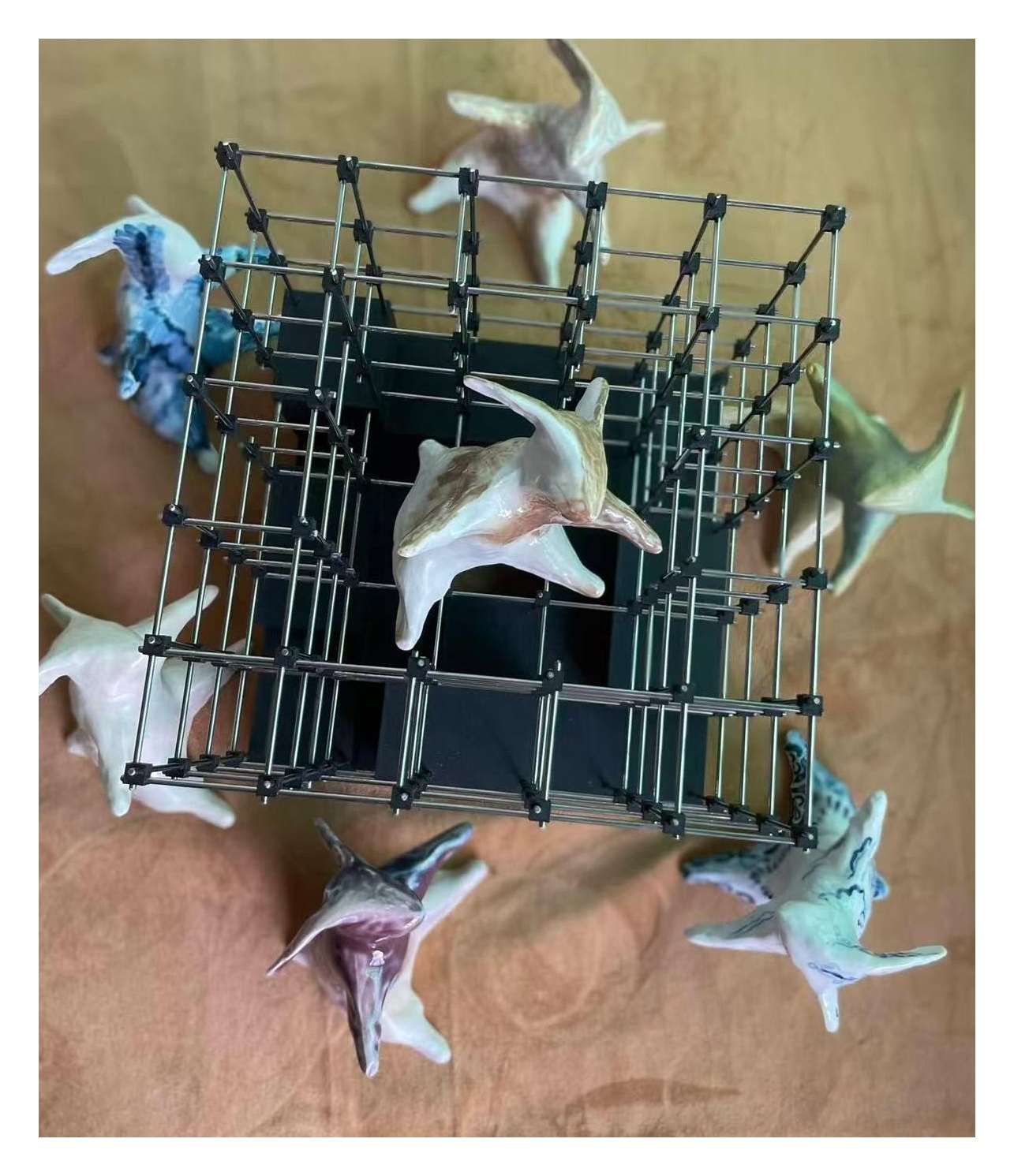
A small rabbit raises its head and opens its arms between solid architectural forms and an exposed metal framework. This uncertain space—part complete building, part unfinished structure—places the figure between reality and imagination, what has been achieved and what remains unrealised. Wu treats the rabbit's gesture as an embrace with two meanings. Open arms can offer courage and energy to someone else, but they can also ask for comfort and acknowledge one's own vulnerability. At every point in life, we are simultaneously leaving something behind and meeting what comes next. Whether continuing or beginning again, giving or receiving, the work invites us to remain open.

Wu Yue Zhao

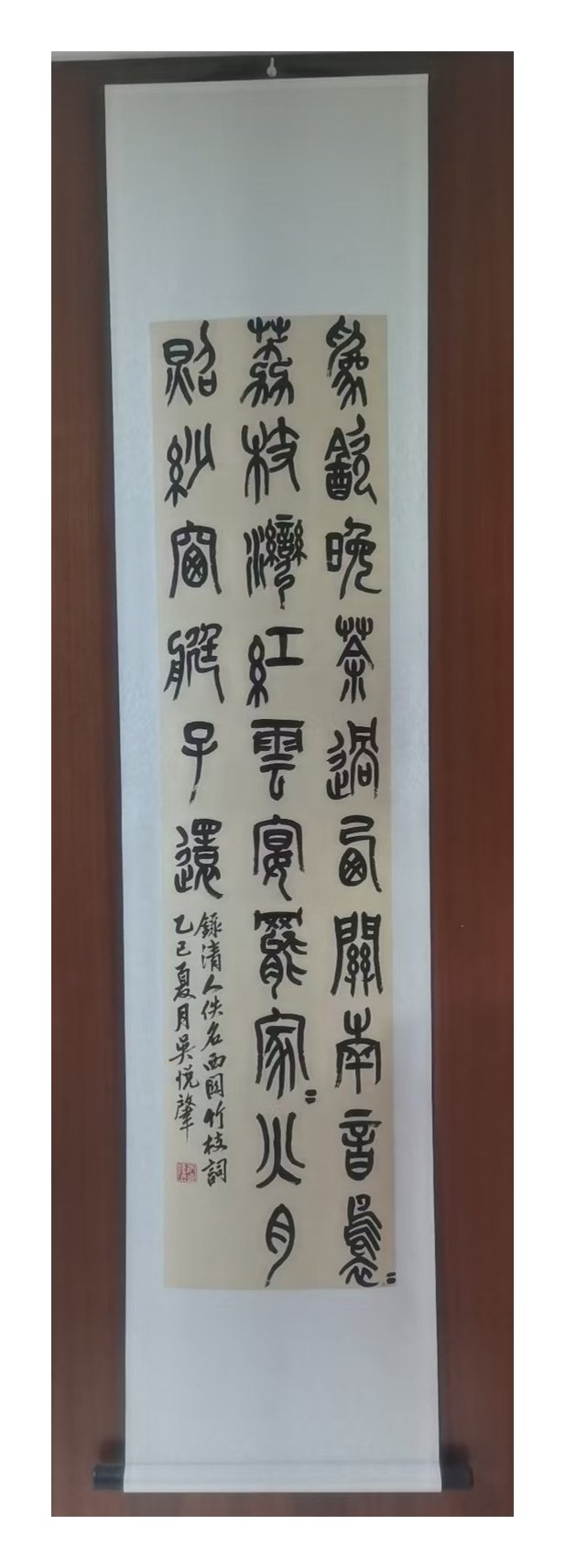
Bamboo Branch Verse of Xiguan (西关竹枝词), Seal Script, Wu Yue Zhao

Bamboo Branch Verse of Xiguan (西关竹枝词), Seal Script

2025

To take evening tea, I pass through Xiguan;
Nanyin songs drift softly over Lychee Bay.
The Red Cloud Feast now ended, lamps glow in every home;
Moonlight on gauze windows, as the little boats return.

Inscription

Transcribing a Bamboo Branch Verse of Xiguan by an anonymous Qing-dynasty poet.

Wu Yuezhao, summer of the yisi year (2025)

Seal

Wu Yuezhao (intaglio seal, white characters)

Zhou Dong Liang

Guangzhou

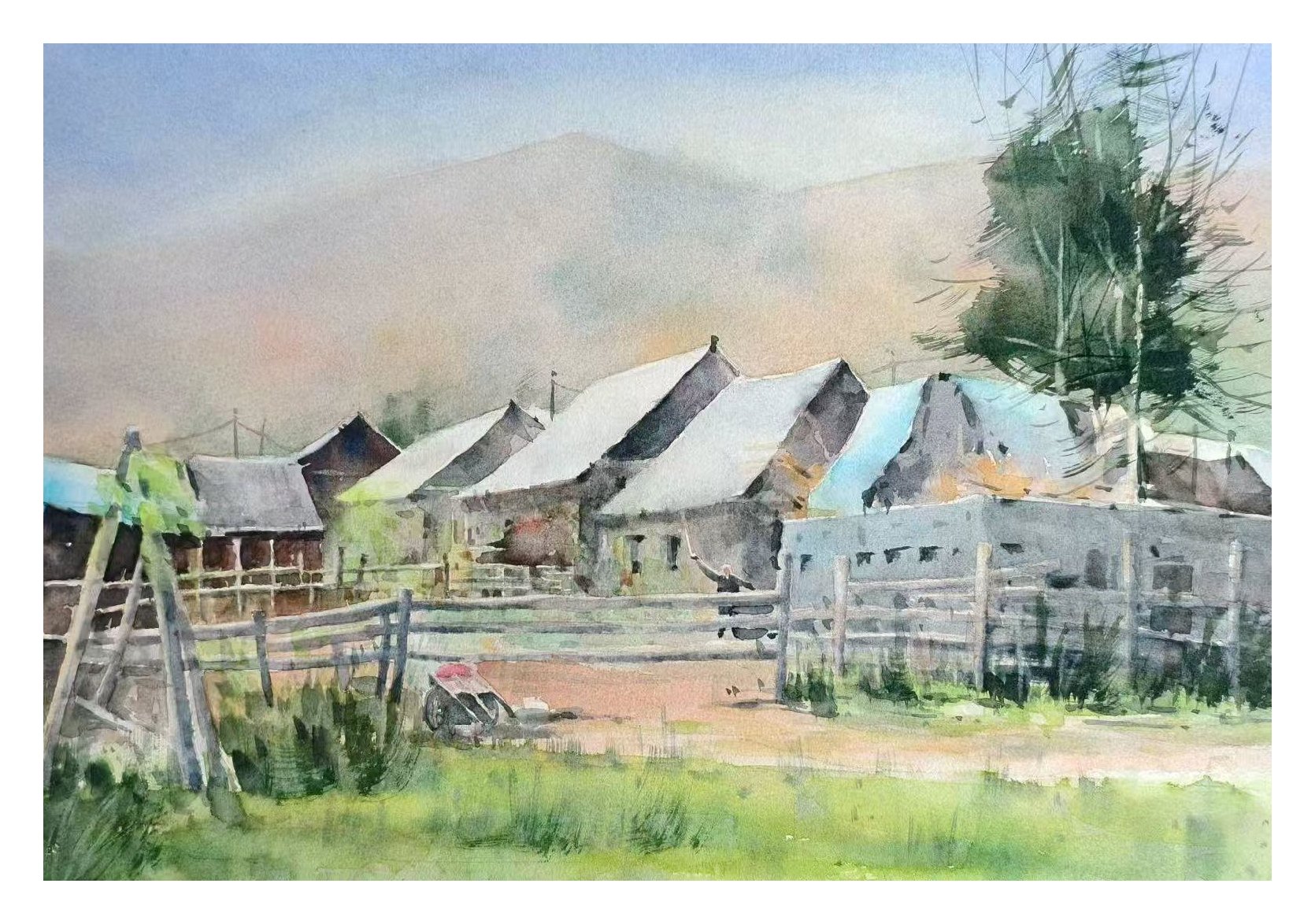
Summer in Qiba'er Xilike, Zhou Dong Liang

Summer in Qiba'er Xilike

Watercolour on paper

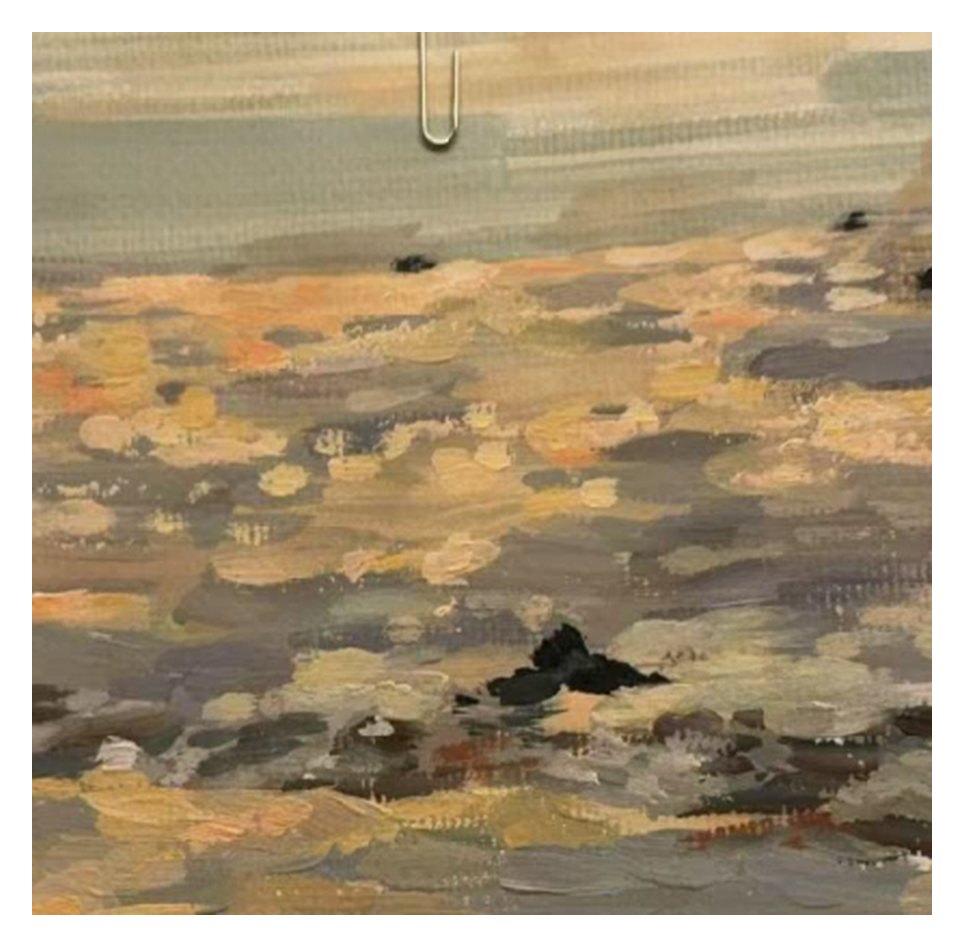
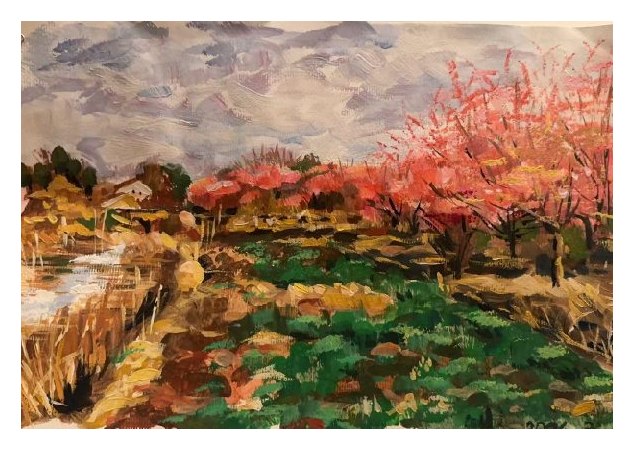
Painted in the Altay region of Xinjiang, this watercolour records a summer day in Qiba'er Xilike village. Pale violet and warm brown soften the distant mountains, while wooden houses, fences, grass and farming tools establish the textures of village life. Looser, more energetic brushwork gives weight to the trees on the right. Dongliang Zhou balances these contrasting passages to evoke the quiet relationship between the settlement and its surrounding landscape.

Jietong Xu

London

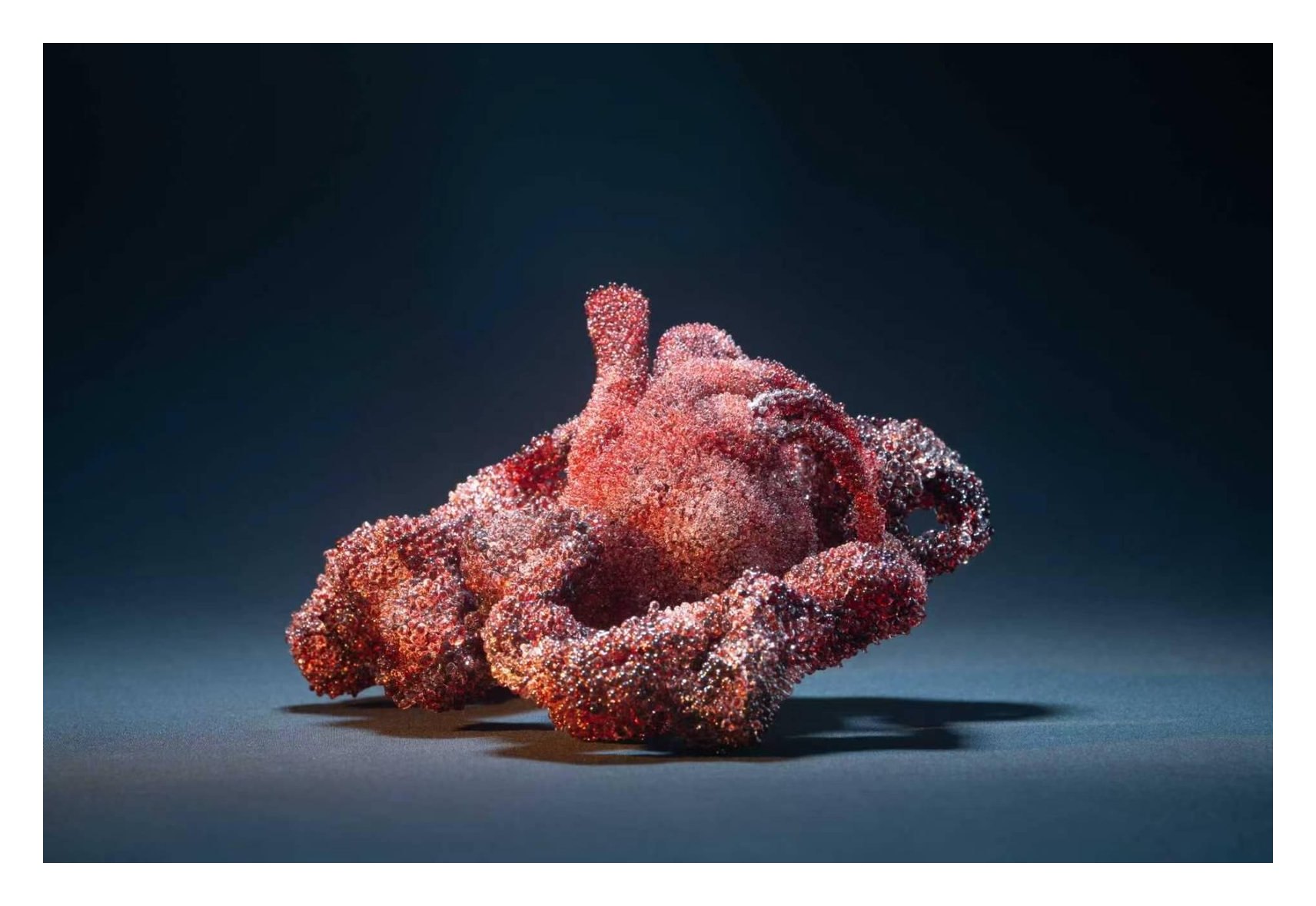
Interwoven Will I, Jietong Xu

Interwoven Will I

2024
Borosilicate glass

How do family relationships shape our place within a larger collective? Jietong Xu approaches this question through hearts woven from borosilicate glass. Each sculpture brings together one to three hearts within a spherical form, turning emotional connection into a delicate physical structure. Confucian ideas of family ethics and collective responsibility meet Bowen family systems theory, which considers how patterns of interaction influence individual development. Placed together, the works reveal different balances between closeness and independence, support and conflict. Their interwoven forms reflect the continuing process of belonging to a family while maintaining an individual sense of self.

Taylor Leung

b. Hong Kong; living in London

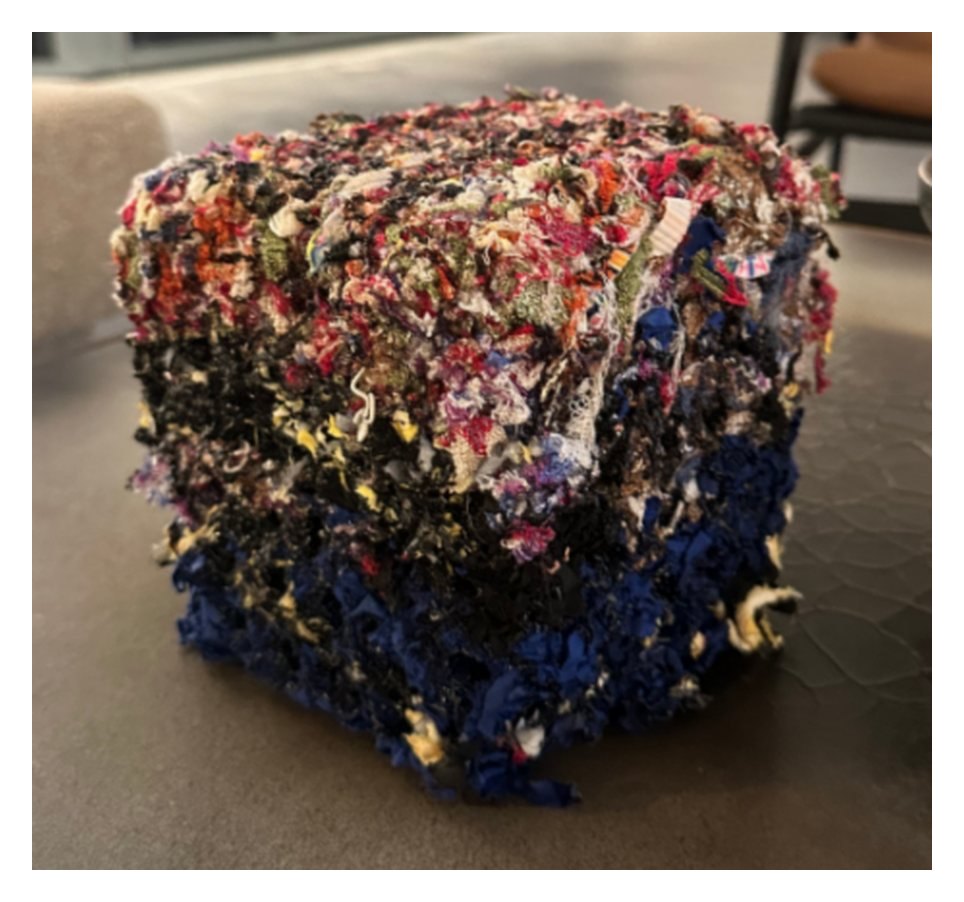
Fa-brick Cube 100 (Fast Fashion Architecture), Taylor Leung

Fa-brick Cube 100 (Fast Fashion Architecture)

2022
Recycled textile waste and compressed fabric

Developed through Taylor Leung's Fast Fashion Architecture research, Fa-brick Cube 100 explores how discarded textiles might become an architectural resource. Shredded fabric is compressed into a dense geometric unit, transforming soft, fragmented fibres into a solid and ordered form. Traces of colour and texture remain visible across its surface, preserving something of the materials' former lives. Drawing on Leung's backgrounds in architecture and fashion, the work connects two industries through their shared questions of material, structure and waste. The cube functions as both a material study and a proposal: textile waste can become the starting point for another form of making.

The Next Chapter

These chapters continue for as long as we keep creating.

Now, we invite you to become part of them: draw London as you see it, remember it, or imagine it. Let the skyline on the glass become your own vision of the city. Or take a seat, pick up a pen, and give form to a thought of your own. There is no set subject and no need for a perfect result.

This is a space to explore, experiment and generate something new. Leave something of yourself behind, let it meet the work of others and allow the exhibition to keep growing through everyone who takes part.

What will you create when you are simply free to create?

Dialogue

What do we create when no one asks us to?

In this film, architects share their thoughts on three simple questions:

  1. Beyond your professional practice, what do you enjoy creating?
  2. What makes you want to create?
  3. What is something you have always wanted to create, but never had the chance to?

Now, we invite you to consider the same questions.

Take a moment. Write down whatever comes to mind. A thought, a memory, a desire, an unfinished idea.

Place your response on the wall or window, and let your thoughts become part of the exhibition.

Beyond the Blueprint29 Oct 2026 to 31 Jan 2027